How to Choose a Reliable Bentonite Supplier for Your Business
In industries such as drilling, foundry casting, construction, coatings, and environmental protection, bentonite plays a critical role in product performance and production stability.
However, choosing the wrong bentonite supplier can lead to serious problems — inconsistent quality, delayed shipments, unstable prices, and even production losses.
So how can you find a reliable bentonite supplier that truly supports your long-term business?
Here is a practical guide to help you make the right decision.
1. Check the Supplier’s Manufacturing Capability
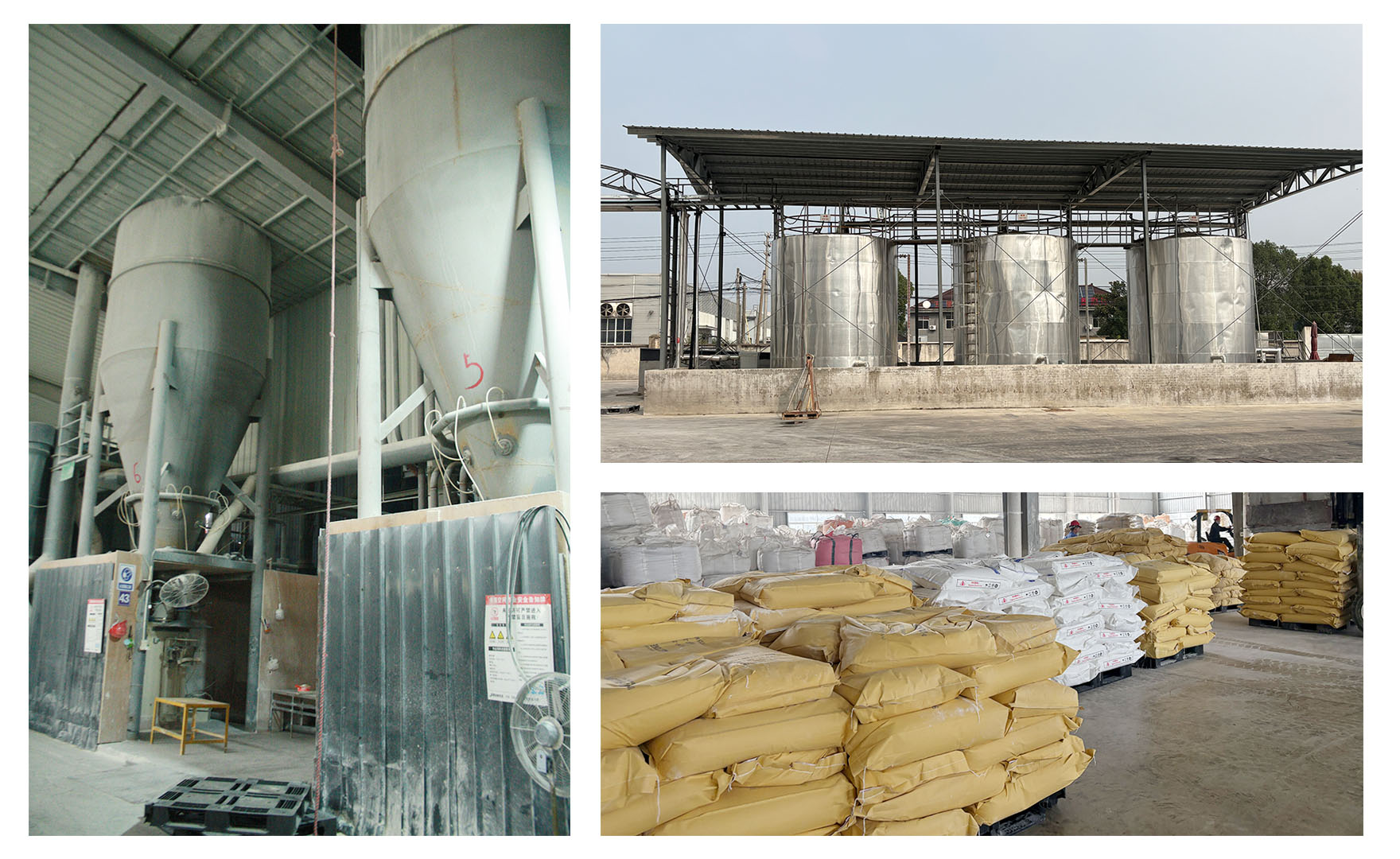
The first thing to confirm is whether the supplier is a real manufacturer or just a trading company.
A true manufacturer usually offers:
- Stable monthly production capacity
- Professional processing equipment
- Consistent quality control
- Faster lead times
- Better pricing
Working directly with a factory reduces communication layers and helps you control both cost and quality.
Tip: Ask for factory photos, production videos, or a virtual factory tour.
2. Evaluate Bentonite Quality Consistency
For industrial applications, consistency is often more important than price.
Key technical indicators you should test:
- Swelling capacity
- Viscosity
- Moisture content
- Particle size (mesh size)
- Purity
Even small variations may affect your drilling mud performance, casting strength, or coating stability.
A reliable supplier should:
- Provide COA (Certificate of Analysis)
- Offer lab test reports
- Send samples for testing
- Maintain batch-to-batch consistency
Never skip sample testing before bulk orders.
3. Confirm Application Expertise
Different applications require different grades of bentonite.
For example:
- Sodium bentonite → drilling mud, waterproofing
- Calcium bentonite → foundry, fertilizer
- Organophilic bentonite → paints, coatings, oil-based systems
A professional supplier should not just sell products, but also recommend the correct grade based on your application.
Technical support saves you time, cost, and trial errors.
4. Review Export Experience and Logistics Ability
If you are importing bentonite internationally, export experience is essential.
Check whether the supplier:
- Handles bulk container loading efficiently
- Offers flexible packaging (25kg bags, jumbo bags, bulk)
- Provides complete export documents
- Has stable delivery schedules
Poor logistics management can delay your production for weeks.
Experienced exporters ensure smooth and safe shipments.
5. Compare Communication and Service Level
Good service reflects professionalism.
Reliable suppliers usually:
- Respond quickly
- Provide clear answers
- Share technical documents
- Offer customized solutions
- Support long-term cooperation
If communication is slow during inquiry, it will likely be worse after payment.
Choose partners, not just vendors.
6. Balance Price with Long-Term Value
The lowest price is not always the best choice.
Cheap bentonite may cause:
- Lower performance
- Higher dosage
- Production downtime
- Customer complaints
In the long run, stable quality always saves more money.
Focus on total cost rather than unit price.
Final Thoughts
Choosing a reliable bentonite supplier is about more than price comparison.
It requires evaluating manufacturing strength, quality stability, technical support, and service reliability.
A trustworthy supplier becomes your long-term partner, helping your business grow safely and efficiently.
If you are looking for a stable bentonite manufacturer with consistent quality and professional export experience, feel free to contact us for samples or technical consultation.
We are always happy to support your project.
No responses yet